
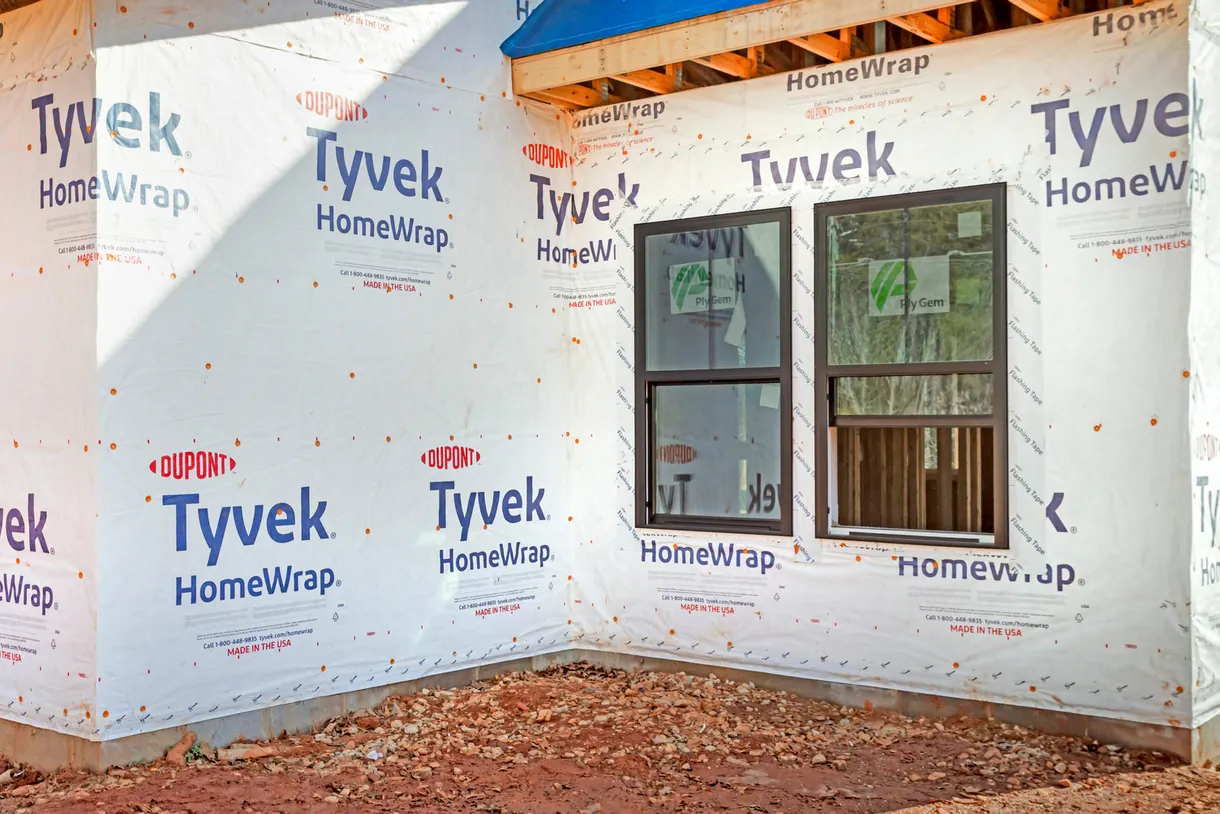
When people think about building performance, they often focus on insulation, HVAC systems, or roofing. Yet one of the most critical elements of any structure is something that receives far less attention: the building envelope.
The building envelope is the barrier that separates the conditioned interior of a building from the outdoor environment. It plays a vital role in controlling water intrusion, air leakage, moisture movement, and energy efficiency. When designed and installed correctly, it helps create buildings that are durable, comfortable, and cost-effective to operate for decades.
At Weatherization Partners, we believe the best-performing buildings start with a well-designed, properly installed building envelope system.
Why the Building Envelope Matters
Every building faces the same challenges. Wind pushes air through cracks and openings. Rain seeks paths into wall assemblies. Temperature differences drive moisture movement through building materials.
If these forces are not properly managed, the result can be:
- Higher heating and cooling costs
- Reduced insulation performance
- Moisture damage inside wall assemblies
- Mold growth and poor indoor air quality
- Expensive repairs and callbacks
A high-performance building envelope addresses these risks before they become costly problems. Its primary job is simple: keep unwanted water and air out while allowing trapped moisture vapor to escape. [dupont.com]
The Two Essential Functions of a High-Performance Envelope
Effective moisture management depends on two critical capabilities.
1. Stop Bulk Water and Air Infiltration
Rainwater and uncontrolled air leakage can compromise wall assemblies, reduce energy efficiency, and create ideal conditions for moisture-related damage.
By creating a continuous air and water barrier, a properly installed building envelope helps protect the structure and improves overall energy performance. Airtight construction allows insulation to perform as intended and reduces the amount of conditioned air escaping the building.
2. Allow Moisture Vapor to Escape
Even in well-built structures, some moisture can find its way into wall systems. When moisture becomes trapped, it may contribute to mold growth, material deterioration, and reduced building durability.
A quality weather-resistive barrier should allow water vapor to escape while maintaining resistance to air and bulk water intrusion. This balance is essential to keeping wall assemblies dry and healthy over time.
Not All House Wraps Perform the Same
From a distance, many weather barriers may appear similar. In reality, significant differences in design and performance can affect the long-term durability and efficiency of a building.
Some products rely on perforations to create breathability. While these openings can allow moisture vapor to pass through, they may also permit unwanted air and water infiltration.
Others utilize thin film-based layers that can be susceptible to damage during installation. Tears, punctures, and abrasions can reduce the effectiveness of the barrier before the building is even completed.
The lesson is simple: product selection matters. Contractors should evaluate not only laboratory performance but also how products withstand real-world jobsite conditions.
Four Benefits of an Integrated Building Envelope System
A properly designed building envelope delivers measurable value throughout the life of a building.
Better Water Management
Keeping bulk water out of wall assemblies helps prevent structural damage, protects insulation performance, and reduces the likelihood of costly repairs.
Improved Moisture Drying
Materials that allow vapor permeability help wall assemblies dry when moisture is present, reducing the risk of mold and maintaining healthier indoor environments.
Greater Energy Efficiency
Controlling air leakage is one of the most effective ways to improve building performance. Reduced infiltration helps maintain indoor comfort while lowering heating and cooling demands.
Long-Term Durability
Products that resist tears and jobsite damage are more likely to perform as intended after installation. Durability during construction often translates into better long-term performance for building owners.
Why Systems Matter More Than Individual Products
One of the biggest mistakes in envelope design is viewing products independently. True performance comes from integrating all components into a complete system.
A high-performing building envelope includes:
- Weather-resistant barriers
- Flashing around windows and doors
- Roof underlayment systems
- Tapes and sealants
- Fastening accessories
Even the best weather barrier can be compromised if transitions, penetrations, and openings are not properly detailed. Water management is often won or lost in these critical connection points.
Protection from the Roof Down
Every component of the building envelope has a specific role to play.
The roof serves as the first layer of defense against bulk water intrusion. Window and door openings represent some of the most vulnerable areas in the structure. Flashing systems help direct water back to the exterior before damage can occur.
When all components work together, the result is a more resilient, energy-efficient building capable of standing up to years of weather exposure.
The Bottom Line
The building envelope is far more than a layer of protection hidden behind exterior cladding. It is a critical system that directly impacts durability, occupant comfort, energy efficiency, and long-term operating costs.
For contractors, architects, and building owners, investing in a high-performance building envelope is one of the smartest decisions that can be made during construction. The benefits extend well beyond code compliance, helping reduce risk, improve building performance, and creating structures that stand the test of time.
At Weatherization Partners, we help contractors and building professionals select and install complete envelope solutions that deliver real-world performance. Because when it comes to protecting a building, every layer matters.